
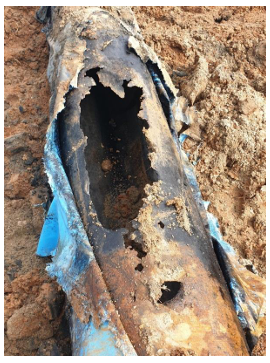
Corrosion of sewage pressure mains is a critical concern in wastewater infrastructure, as it can lead to pipe failures, environmental contamination, and costly repairs. These mains are particularly susceptible to internal and external corrosion due to the aggressive chemical composition of sewage, the presence of hydrogen sulfide gas, and varying soil conditions. Over time, corrosion can weaken pipe walls, resulting in leaks or bursts that disrupt service and pose significant risks to public health and the environment.
To mitigate these risks, regular monitoring and condition assessment are essential. Techniques such as ultrasonic testing, CCTV inspections, and electrochemical analysis help identify early signs of corrosion before structural integrity is compromised. Protective measures, including the application of corrosion-resistant linings, cathodic protection, and the selection of durable materials like ductile iron with protective coatings or high-density polyethylene, are commonly employed to extend the lifespan of sewage pressure mains.
Effective asset management strategies integrate these preventative approaches, ensuring that pressure mains remain reliable and compliant with regulatory standards. Timely renewal or rehabilitation programs are vital to address aging infrastructure and prevent unexpected failures, safeguarding both the community and the environment.